Architectural photography brief
Architectural photography: build the brief first
A practical preflight for deciding what a building image must communicate, who owns each open question and what must travel with the files.
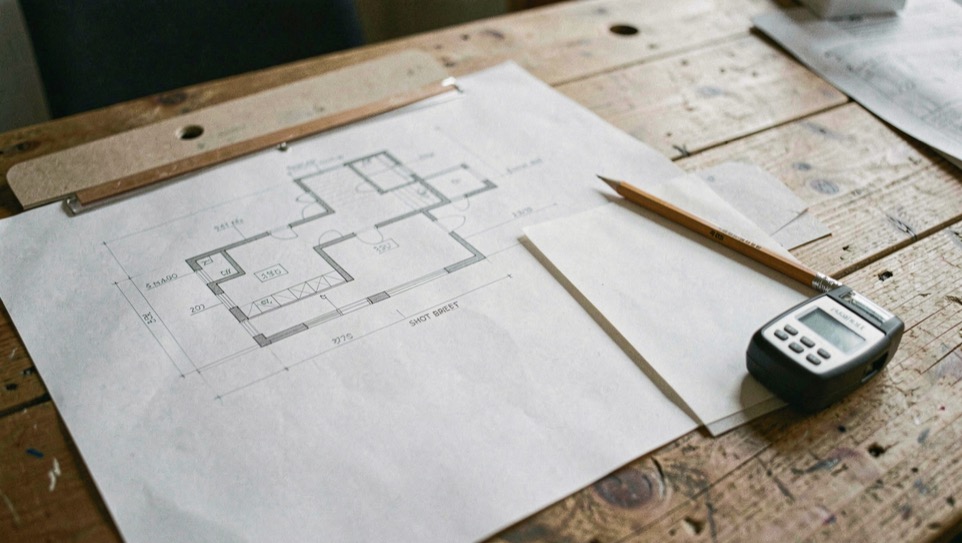
Start with intent, not equipment
An architectural image becomes useful when its communication task is clear before the crew starts solving light and viewpoint. A press image, award submission, design record, property page and long-term archive can share a frame, but they do not automatically share crop, people policy, rights language or metadata. The brief should name the primary need and list secondary uses rather than asking one photograph to be universally flexible.
The next layer is responsibility. Access, preparation, people, visible art, intended use, selection, captioning and archive delivery each need an owner. An open answer is acceptable when it is visible and assigned. A blank field disguised as a readiness percentage is not. This is why the matrix below uses questions and named handoffs rather than a score.
The Building Image Brief Matrix
Use the filters to isolate a communication need, or read the full table as a preflight. The rows synthesize planning guidance from AIA, documentary logic from NPS, metadata fields from IPTC and archive considerations from the Library of Congress. They are starting points for a real brief, not universal requirements.
| Use case | Shot role | View question | Preflight | Handoff |
|---|---|---|---|---|
| Project overview | Context and overview | What must the image explain first? | Confirm site access and image purpose | Creator, description, rights, subject, location |
| Front elevation | Comparable facade record | Can the camera meet the facade plane? | Check public or controlled position | Name facade, feature and orientation |
| Building in context | Site and approach | Which surroundings explain the design? | Record route, weather and temporary conditions | Add location and contextual subject |
| Interior overview | Threshold and circulation | Which position preserves believable scale? | Prepare room and map window light | Name room, direction and rights |
| Occupied space | Scale and use | Does a person clarify a real program? | Set people and permission policy | Carry permission status with the file |
| Healthcare environment | Approved design record | Can the frame avoid patient information? | Use the responsible US privacy process | Retain access and delivery record |
| Archive handoff | Findable project sequence | Will each file keep its role later? | Assign metadata and archive owners | Keep identified master and derivatives |
Print worksheet
A blank brief that shows the open questions
Print this section or copy its headings into the project record. Complete it with the commissioning team, photographer and whoever controls access and publication. Do not answer a legal, privacy or operational question on another person behalf.
- Communication need and primary audience
- Required shot roles and sequence
- Site access and operating window
- Preparation owner and approval
- People policy and permission owner
- Intended uses, crops and duration
- Delivery formats and selection owner
- Creator, description, rights and subject metadata
- Archive master, derivative and checksum plan
- Open questions and responsible contacts
Close the loop after selection
The brief is not finished when capture ends. Selection should confirm that required relationships survived the session, privacy and rights checks should be repeated at full resolution, and captions should describe what the image actually shows. File names and metadata then carry the sequence beyond the gallery. A future editor should be able to identify creator, subject, location, rights context and image role without reconstructing the shoot from memory.
The full method and source versions are published in the source register. For a working order from context to detail, continue with the architectural photo sequence. For the exterior decision chain, use the shot-list guide.
Continue the reading
Connected decisions
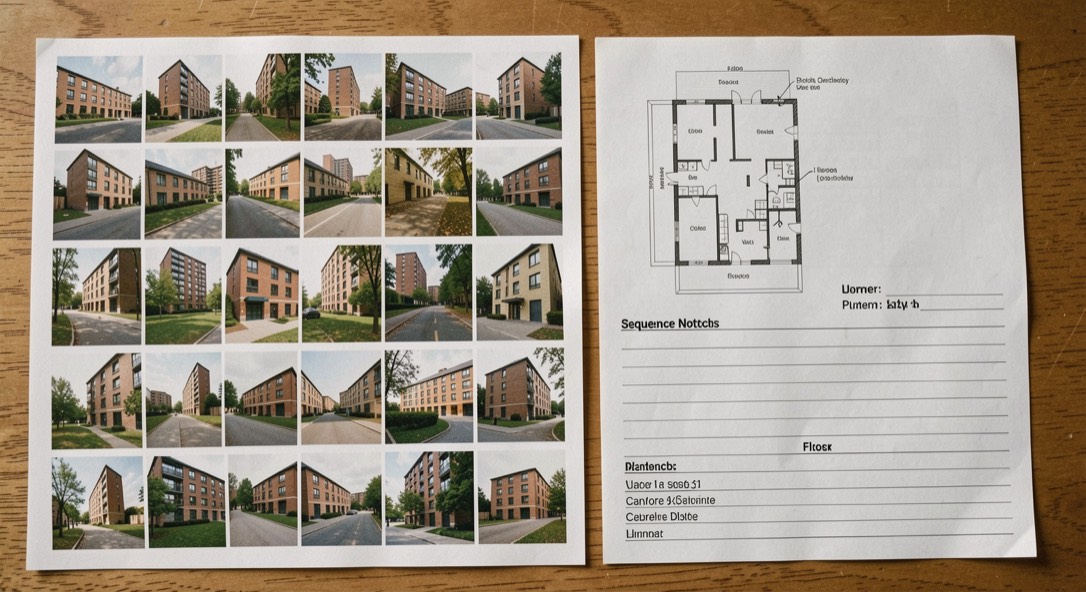
Business & Media
Architectural photography shot list
From Architectural photography: build the brief first, continue with this decision: Build a sequence from site and overview to circulation, use and detail.
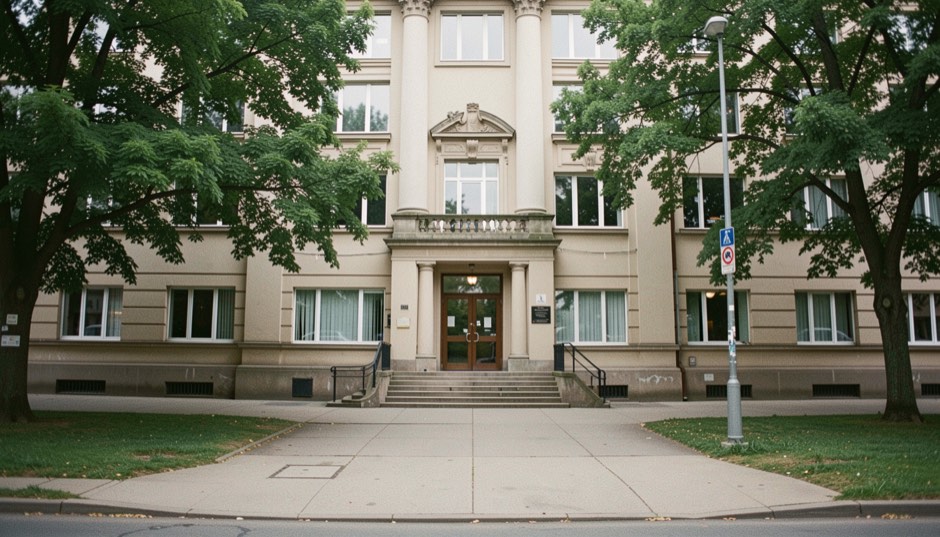
Architecture & Design
Architectural exterior photography
From Architectural photography: build the brief first, continue with this decision: Choose exterior views by communication role and site condition.
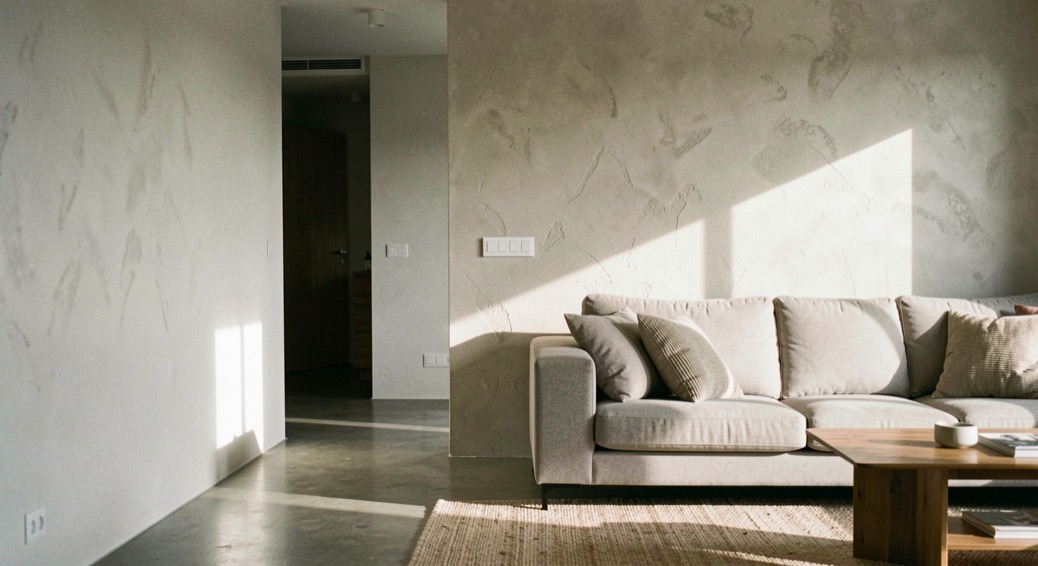
Home & Interiors
Interior photography: space, light and use
From Architectural photography: build the brief first, continue with this decision: Enter the interior sequence by shot list, light, perspective, styling, occupation or detail.