overcast architecture photography
Overcast light for building photography
When does overcast light reveal materials better than directional sun?
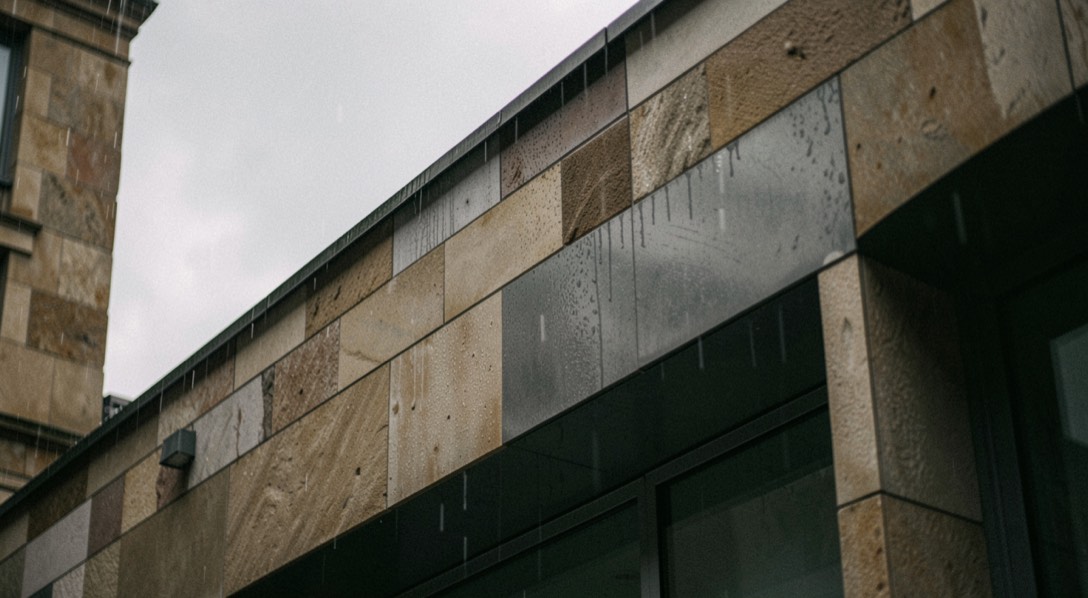
Evaluate color, surface, shadow and sky tradeoffs without treating weather as failure. The practical goal is a frame or sequence that can be explained before capture, assessed after capture and found again after delivery. The method below stays source-led where a standard or authority applies and labels photographic judgment as judgment.
Read the condition before the frame
Overcast light for building photography begins as a reading problem. Diffuse weather can reveal color, joints and subtle surfaces that hard sun divides into glare and shadow. The first task is to separate the durable spatial condition from temporary clutter, preferred style and assumptions carried from another project.
- Look for materials whose tone or sheen becomes more legible without direct reflection.
- Notice whether a pale sky merges with the roofline or provides a useful quiet field.
- Use wet ground only when it explains weather and material, not as an automatic cinematic effect.
For overcast architecture photography, this reading stage protects the final sequence from a common error: solving an attractive picture before defining what the picture needs to communicate. The notes can remain simple, but they should name position, light, access and intended use in terms the commissioning and image teams both understand.
Turn observations into decisions
For Overcast light for building photography, a useful brief converts what is visible into choices that can be reviewed. The aim is not to prescribe one camera setting or style. It is to decide which relationship matters, who owns the unresolved question and what information a view must retain.
- Prioritize facade color and detail when directional shadow is not essential to the design reading.
- Build depth through overlapping planes, scale and tonal separation rather than excessive contrast.
- Keep a sun alternative only if shadows are needed to explain relief or orientation.
Overcast light for building photography becomes commercially and editorially useful inside Architecture & Design when those choices remain explicit. A team can then distinguish a required record from an interpretive variation, budget time around access rather than guesswork, and explain why a frame belongs in the final package.
A building that heats, cools and ventilates with solar and ground energy changes what a photographer can show. Massing, orientation and the thermal barrier inside the wall become visible decisions rather than background. For readers who want the technical side in German, the Bauklima Magazin covers passive climatisation, energetic renovation and planning standards, and documents the history of solar and geothermal systems. Knowing how a low-energy building works helps a photographer ask better questions on site: which facade carries the load, where ventilation runs, what the client considers worth recording. That context turns an overcast sequence into evidence rather than atmosphere.
Build a sequence, not an isolated hero
Overcast light for building photography rarely carries context, form, circulation, use and detail in one frame. A sequence gives each image a narrower job and lets adjacent views answer one another. That makes selection easier and preserves meaning when photographs leave the original gallery.
- Begin with the elevation or material relationship that benefits most from diffuse light.
- Use an oblique frame to restore depth that the flat light may soften.
- Move to details while moisture and even illumination keep surfaces descriptive.
The order for overcast light for building photography should feel spatial rather than merely chronological. A reader first needs orientation, then a closer architectural relationship, then evidence of use or construction. The exact route changes with the building, but the logic remains open to review and can be recorded in filenames, captions and the delivery index.
Check what the image claims
Quality control for overcast light for building photography is more than sharpness. The selected frame should be compared with the brief, neighboring images and the information visible at full resolution. Perspective, privacy, crop, caption and metadata can each change what the photograph appears to assert.
- Protect subtle sky and pale facade differences during editing.
- Check that added contrast has not turned quiet material transitions into hard graphic bands.
- Retain a truthful weather note in the image record.
Overcast is not failed light; it is also not ideal for every form, especially when shadow geometry is the subject. This boundary is part of the editorial result, not a disclaimer added after it. It tells the reader where photographic evidence stops and where a responsible person, current authority or project-specific decision must take over.
Evidence docket
Sources behind this guide
Overcast light for building photography uses the publication evidence hierarchy rather than a hidden authority score. Its working source IDs are SRC-NPS-HDP-PHOTO. Definitions, jurisdiction and review dates remain in the source register, where corrections can be made once instead of being copied inconsistently across the site.
Continue the reading
Connected decisions

Property & Construction
Best time to photograph a building
From Overcast light for building photography, continue with this decision: Match orientation, façade material, use and sky condition to a scouting plan.
Architecture & Design
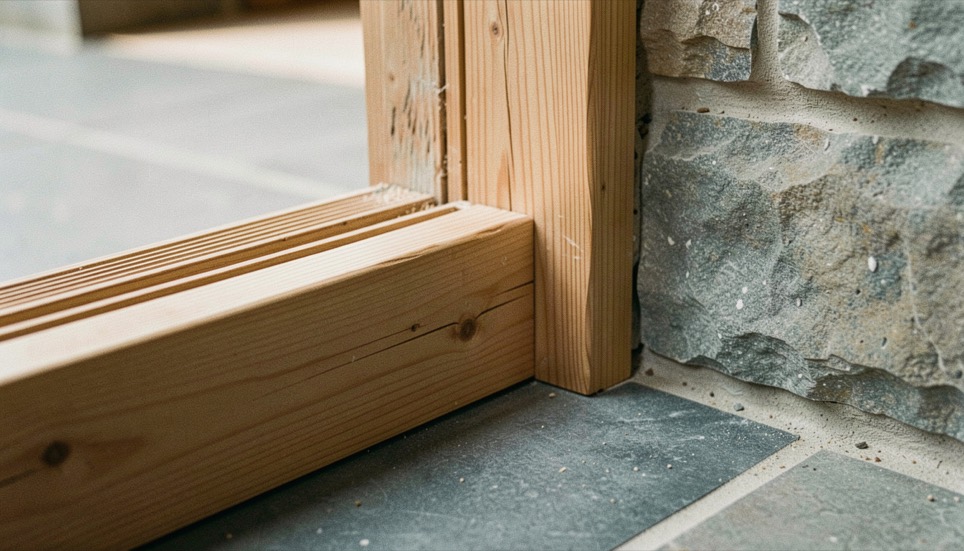
Architectural detail photography
From Overcast light for building photography, continue with this decision: Select joints, thresholds, materials and repeated elements that support the project story.
Home & Interiors
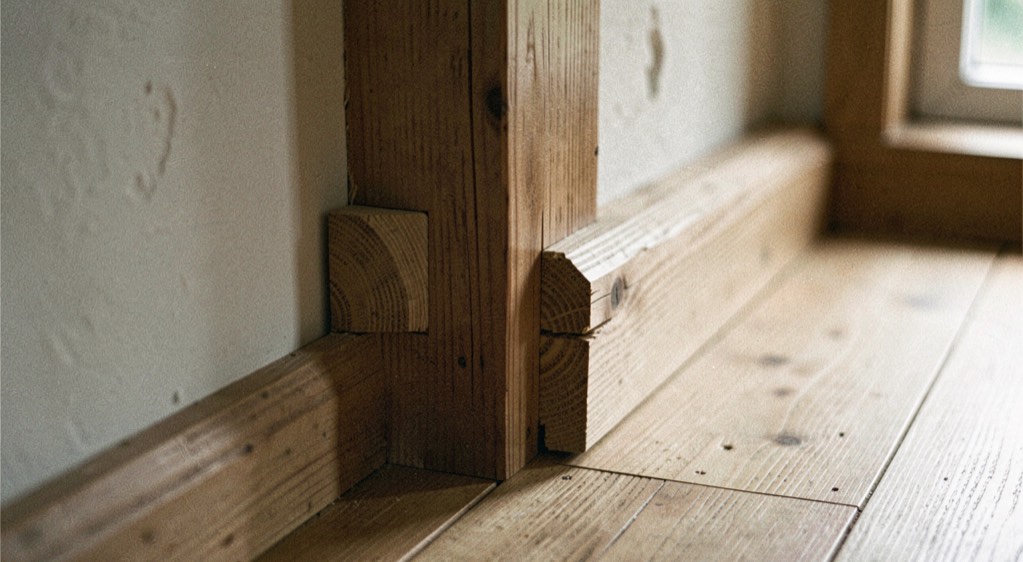
Interior detail photography
From Overcast light for building photography, continue with this decision: Pair details with wider views and metadata so they remain interpretable.